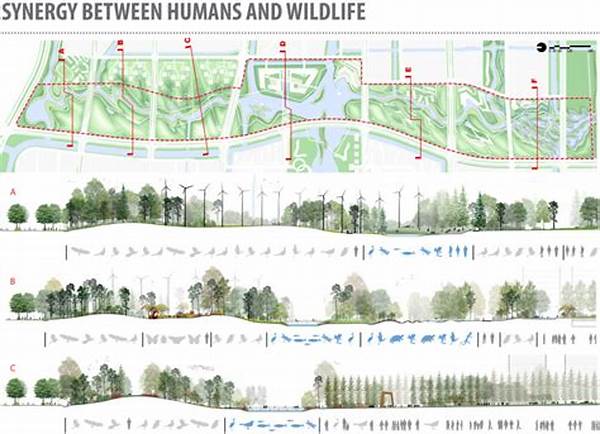
In a time where environmental concerns are skyrocketing, the importance of redefining the relationship between humans and nature cannot be overstated. The call for creating synergy between humans and ecology is not just a slogan but a necessity to ensure the survival of both our planet and ourselves. This article sheds light on how individuals and communities can engage in practices that promote a sustainable coexistence with the environment. Now is the time to act and be a part of the movement towards a harmonious relationship with our ecosystem.
Read Now : Earthy Wall Art For Bedroom Ambiance
The Importance of Harmony in Human-Ecology Relations
The relationship between humans and the environment is a delicate balance that demands our utmost attention. Creating synergy between humans and ecology involves recognizing that our well-being is intrinsically linked to the health of the ecosystem. Without this understanding, humanity risks depleting the resources that sustain life. Every action, from the products we consume to the waste we produce, impacts the environment. Therefore, adopting sustainable practices can help reverse the damage.
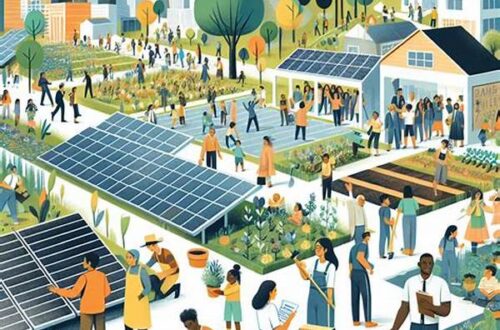
Communities worldwide are increasingly aware of the need for such synergy, leading to novel approaches in agriculture, architecture, and energy production. For example, urban farming initiatives and green building designs are not just trends but critical components of a sustainable future. In this pursuit, creating synergy between humans and ecology means championing innovations that reduce environmental footprints.
Individual responsibility also plays a pivotal role in this process. Each one of us has the power to affect change. By adopting eco-friendly habits, such as reducing waste or conserving energy, we contribute to a larger effort towards environmental preservation. Through collective action, we can make significant strides in creating synergy between humans and ecology.
Steps Towards a Balanced Coexistence
Sustainable Practices for Future Generations
Creating synergy between humans and ecology calls for long-term commitments to sustainable living practices. By harnessing the benefits of renewable resources, such as solar and wind energy, we are not only ensuring our energy needs are met but also preserving the Earth for future generations. These practices highlight the importance of integrating nature with everyday life.
Moreover, community-driven conservation projects serve as beacons of hope in this mission. Groups involved in reforestation, wildlife conservation, and clean-up initiatives exemplify creating synergy between humans and ecology. Such efforts contribute significantly to restoring natural habitats and strengthening the ecosystem’s resilience. When communities involve themselves in these practices, they lay the groundwork for a healthier, more sustainable future.
Embracing Innovations in Green Technologies
Modern technology offers promising solutions for creating synergy between humans and ecology. Energy-efficient appliances, electric vehicles, and waste reduction technologies are transforming how we interact with our environment. These innovations not only reduce ecological footprints but also present economic opportunities. By investing in green technology, humanity can enjoy a sustainable lifestyle without compromising environmental integrity.
The rise of smart cities further exemplifies this synergy. Sustainable urban planning, smart grids, and eco-friendly public transportation systems integrate technology with ecological considerations. Through these innovations, urban areas can become models of sustainability, proving that creating synergy between humans and ecology is within reach. Encouraging widespread adoption of such technologies can accelerate the transition towards environmentally conscious living.
The Role of Community Empowerment in Ecological Balance
Creating synergy between humans and ecology cannot occur in isolation. Communities are at the heart of this transformative journey, and empowering them can lead to a profound ecological impact. By engaging local populations in environmental stewardship, we foster a collective sense of responsibility toward the planet. Community-based projects, such as community gardens and local conservation efforts, cultivate an appreciation for nature and its finite resources.
Read Now : Tree Species Color Categorization
Moreover, educating residents about sustainable practices amplifies their capacity to contribute meaningfully to ecological preservation. Workshops, seminars, and campaigns can raise awareness about the importance of creating synergy between humans and ecology. As individuals become more informed, they transform into advocates for environmental change, spreading the message of synergy within their networks.
The Financial Incentives of Sustainability
Investing in sustainability is not only an ethical choice but also an economically sound decision. Companies that prioritize sustainability have demonstrated increased resilience, attracting investors interested in ethical practices. This financial motive encourages businesses to innovate in ways that promote creating synergy between humans and ecology.
Governments also offer incentives, such as tax breaks, for sustainable practices, guiding corporations and individuals alike toward greener choices. These actions prove that aligning economic interests with environmental priorities is not only possible but beneficial. By incentivizing sustainability, society can drive widespread adoption of practices compatible with ecological preservation, ensuring the delicate balance between human progress and ecological sustainability.
The Global Call to Action
Creating synergy between humans and ecology is a clarion call to the global community. As environmental challenges transcend borders, collaboration is crucial to safeguarding the planet for future generations. Countries must collaborate, sharing knowledge and resources to combat issues such as climate change and habitat destruction.
International agreements and policies must be strengthened to reflect the urgency of these challenges. By working together, nations can foster significant advances in conservation, ensuring that creating synergy between humans and ecology becomes a universal priority. Through cooperation and concerted effort, humanity can pivot towards a future where ecological harmony reigns, preserving the planet for generations to come.